From webmd.com
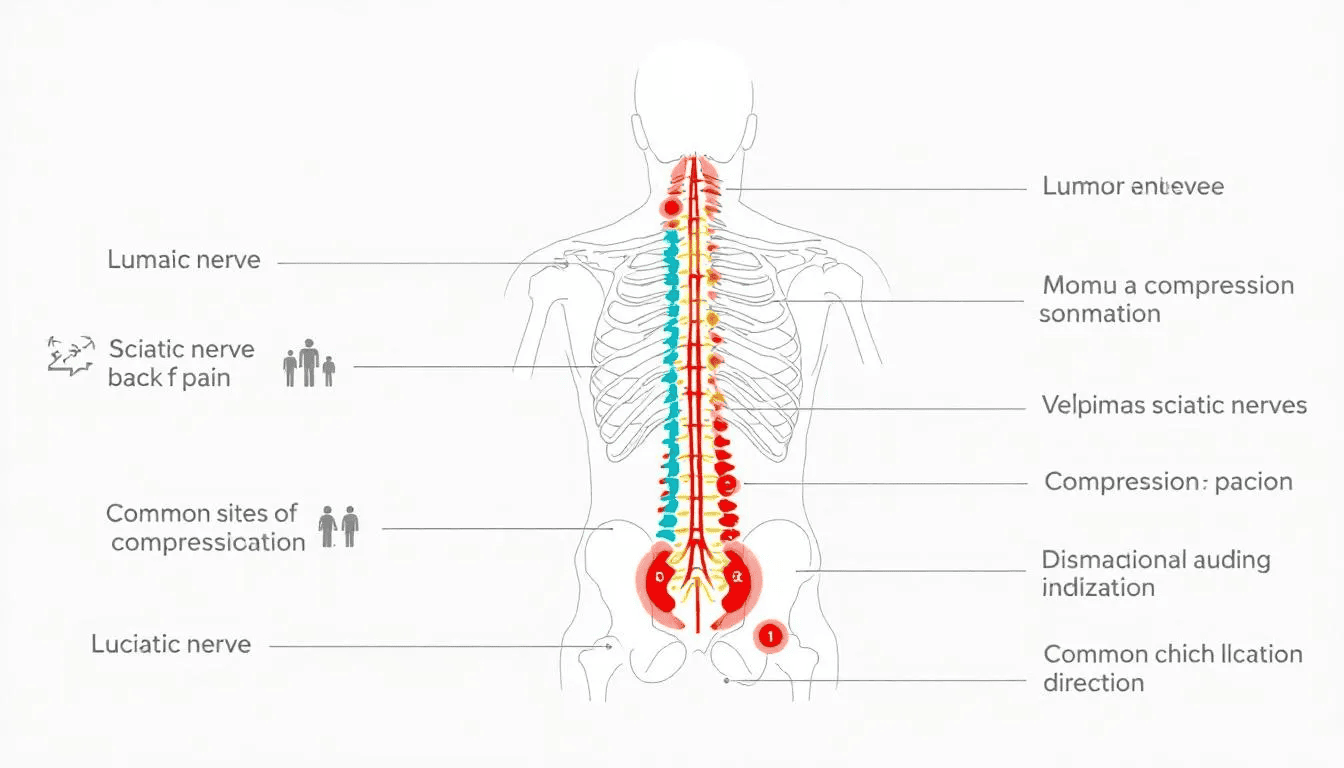
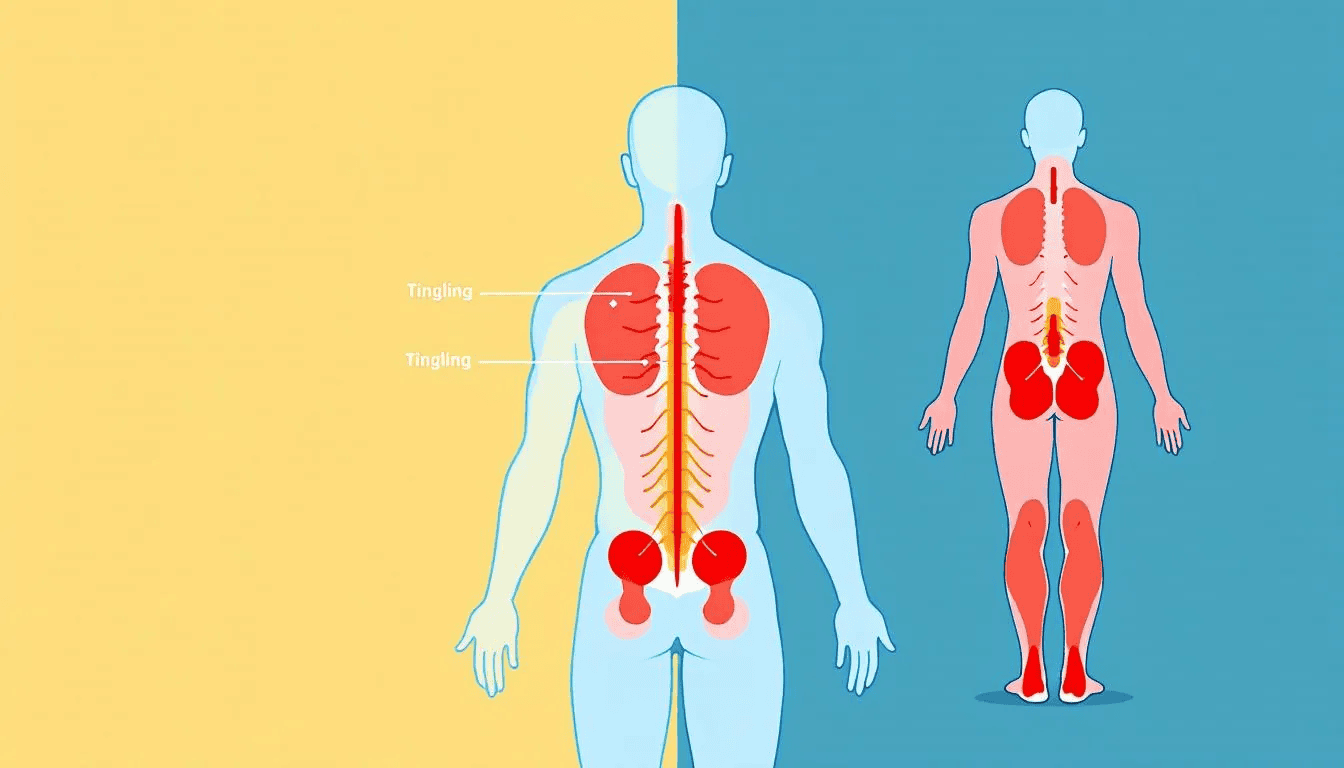
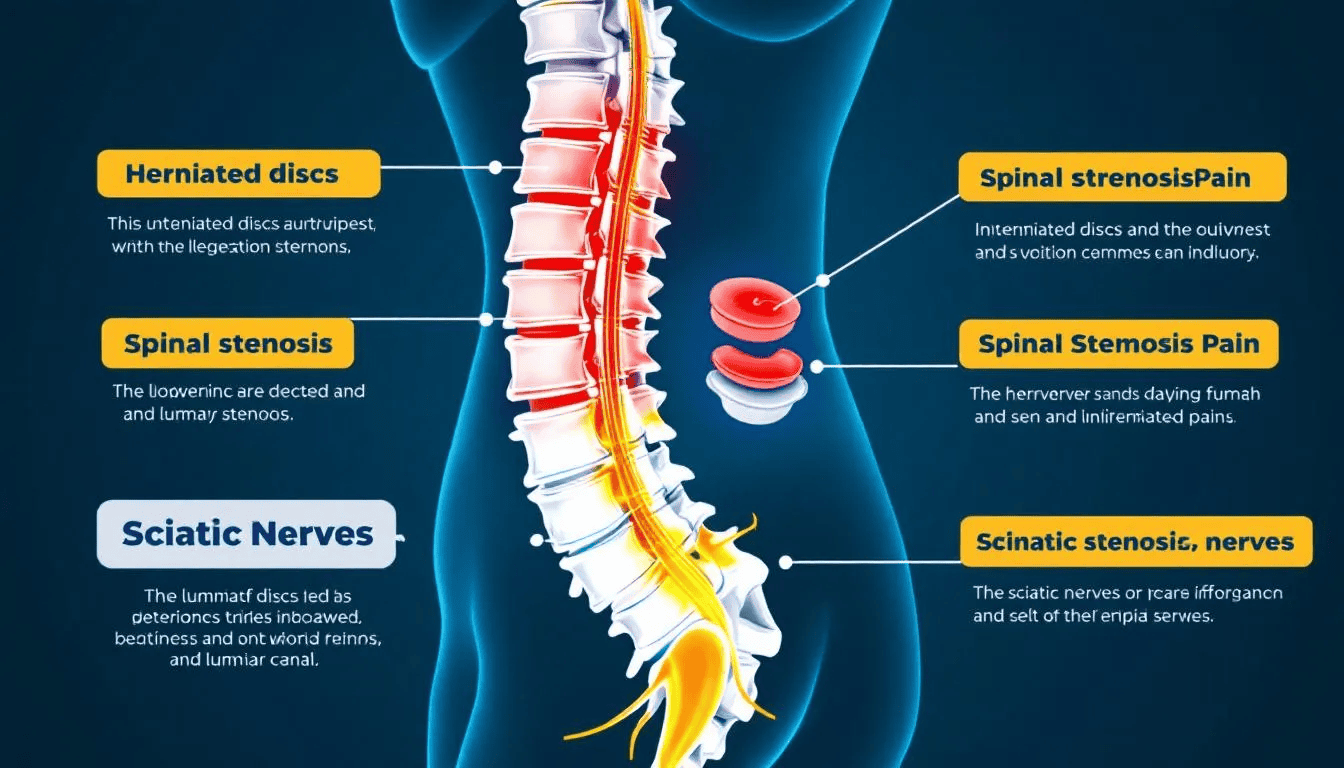
Sciatica is pain that starts in your lower back and shoots down through your legs. It usually happens when something, such as a herniated disk or bone spur, presses on your sciatic nerve. You might have sharp, intense pain, as well as tingling, weakness, and numbness in your legs.
It causes pain and discomfort, but there are many treatments for it. Most people with sciatica don’t end up needing surgery, and about half get better within 6 weeks with home treatment, rest, and medication.

Home Sciatica Treatment
Many mild cases of sciatica can be treated at home. Even more severe cases that need medical treatment can be helped by these home treatments.
Rest
Avoid strenuous activities. Light activities such as walking and stretching are good for you, but you want to avoid putting any more stress and strain on your back.
Ice and heat
Using an ice pack can help reduce some swelling and pain. Heat can also soothe your discomfort. For the first few days, use an ice pack several times a day for 20 minutes. After that, you can switch to using a warm compress or a heating pad several times a day for 20 minutes.
Sciatica stretches
Some of the best stretches to relieve sciatica pain focus on the piriformis muscle, which runs from the bottom of your spine to the top of your thigh. Stretches for your hamstrings, which are the muscles along the back of your thighs, can also help.
Here are two to try:
Piriformis stretch: Lie on your back with your knees bent and your feet flat on the floor. Lift your right foot off the floor and cross your ankle over your left knee. Let your right knee fall out to the side. Next, lift your left foot off the floor and use both hands to grab around your left thigh. Gently pull it toward your chest. You should feel the stretch in your rear end. Hold for 30 seconds, then switch sides.
Hamstring stretch: Lie on your back on the floor with your left knee bent and foot on the floor and your right leg stretched out. Lift your right leg and grab behind the thigh with both hands. Keep the leg as straight as you can and pull it towards you. You’ll feel this stretch along the back of your thigh. Hold for 30 seconds, then switch sides.
Sciatica exercises
Improving your core strength can build support for your spine and help you avoid sciatica. Your core muscles are the muscles around your midsection -- your abdominals and lower back.
Do these exercises a few times a week:
Trunk rotations: Lie on your back with your feet flat on the floor and your knees together. Lift your feet and bring your knees slowly over to the right side. Keep your shoulder blades pressed into the ground as you do this. Go as far as you can without your left shoulder blade coming off the floor. Then bring your legs back through the centre and over to the left. Keep moving back and forth, repeating the sequence 10 times on each side.
Plank: Get on all fours with your shoulders over your wrists. Tuck your toes and walk your feet back so your knees lift off the floor and your body is in one straight line from your feet to your head. Pull your core muscles in tight and hold this position for 15-30 seconds. Put your knees down to rest for a bit, then do the exercise two more times.
Over-the-counter medicines
Nonsteroidal anti-inflammatory medicines such as ibuprofen can relieve pain and swelling.
Non-surgical Sciatica Treatment
If other therapies and over-the-counter medications aren't working for you, you still have options that don't include surgery.
Prescription medications and injections for sciatica
Your doctor may give you a prescription medication such as painkillers and muscle relaxers. Tricyclic antidepressants such as amitriptyline (Elavil) and anti-seizure medications can work for nerve-based and chronic pain.
Corticosteroid injections can offer relief for up to 3 months.
Yoga for sciatica
As yoga combines stretching and low-impact strength training, practicing it regularly may help you heal and prevent sciatica. Try these poses to keep your spine and hips flexible:
Dragon pose: Start in a tabletop position, then bring your right foot between your hands. Next, slide your left leg backward, keeping your toes tucked. You should feel a stretch in your left hip and thigh. Hold the pose for up to 5 minutes before switching sides.
Cobra pose: Lie on your stomach with your legs together and place your palms on either side of your chest. Next, lift your head, chest, and stomach up towards the ceiling using mostly the strength in your lower back muscles. Repeat this move four to five times.
Sciatica massage
The main way massage therapy can help you with sciatica pain is by relaxing tight muscles that put pressure on your sciatic nerve. Massage therapy also boosts blood flow to the affected area, speeding up healing.
Other sciatica-supportive therapies
Research shows that acupuncture can help you safely manage sciatica pain. During treatment, an acupuncturist places thin needles into your skin to stimulate your body’s nervous and immune systems, which releases natural endorphins that help relieve pain. A natural therapy called biofeedback can be helpful. Therapists use sensors to monitor your body and teach you how to better control some functions, such as muscle tension.
Should I see a chiropractor for sciatica?
A chiropractor might be able to help your sciatica. They will make adjustments to your joints to help realign your spine, which may ease pressure on your sciatic nerve. They can also recommend stretches and other strengthening exercises.
Sciatica Surgery
Very few people need to have surgery for sciatica. If you have severe symptoms that make it hard to do your everyday activities, or if there are signs that your sciatica is causing nerve damage, your doctor might recommend surgery.
The are several options for sciatica surgery:
Microdiscectomy. During this procedure, your surgeon removes small pieces of bone, disk, and ligament pressing on your nerve. It's considered a minimally invasive procedure that only requires a small incision. You’ll have general anaesthesia to put you to sleep so you don't feel anything. You'll usually be able to go home the same day.
Laminectomy. The lamina is part of the ring of bone that covers the spinal cord. During a laminectomy, your surgeon removes the lamina and any tissue pressing on the nerve that’s causing you pain. You will get general anaesthesia, meaning you will not be awake during the operation. You’ll be released from the hospital the same day, with instructions to start walking the day after you get home.
Foraminotomy: Your vertebrae protect the nerves that run through your spine, but sometimes the opening where they leave the spinal canal is too small, putting pressure on your nerves. During a foraminotomy, your surgeon will widen the opening and remove any blockages. You’ll have general anaesthesia for the operation and should be able to go home 1 or 2 days later. Your doctor might recommend that you avoid certain movements for a while, but most people can return to light exercise within a few weeks.
Spinal fusion surgery: Spinal fusion surgery joins two or more vertebrae together, usually with screws and metal rods. This provides more support for your spine and helps take pressure off your nerves. The procedure can take up to 4 hours. You'll have general anaesthesia, and you will need to stay in the hospital for 2-3 days. It may take several months for you to fully heal.
Sciatica Treatment Side Effects
Most nonsurgical sciatica treatments don't have side effects. If you take medicine, side effects are always possible.
- Over-the-counter pain relievers can sometimes cause stomach upset. Prescription medications often have side effects, but not everyone will have them.
- Anti-seizure medications might cause dizziness, drowsiness, confusion, or swelling in the feet and legs.
- Muscle relaxants can cause drowsiness, dizziness, dry mouth, nausea, and headache.
- Steroid injections can make you feel sore around the injection site or cause temporary skin thinning and discoloration. Some people also have insomnia, facial flushing, or high blood sugar after steroid treatment. There is a chance of very sharp pain, called a post-injection flare.
As sciatica surgeries deal with nerve tissue, there’s a small chance of nerve damage. As with most surgeries, it’s also possible that you could get an infection during recovery.
Sciatica Treatment Complications
With most sciatica treatments, you won't have any problems.
Over-the-counter medication can have some complications:
Over-the-counter pain relievers are generally safe. In rare cases, taking a lot of ibuprofen for a long time can increase your risk of having a stroke or heart attack.
Taking too much acetaminophen can damage your liver.
Some people shouldn't take these medications because they can interact with some prescription medicines and make certain health conditions worse. Always ask your doctor first if it's safe for you, how much you should take, and for how long.
Prescription medications tend to pose more of a risk:
Anti-seizure medications can damage your liver. They may also slightly raise the risk of having suicidal thoughts and actions.
Muscle relaxants can be addictive. Strong prescription pain relievers such as opioids can also be addictive. If you have a history of addiction, you shouldn't take these medicines.
Complications from surgery
Like most operations that use general anaesthesia, there’s a chance of blood clots and heart attack during any surgery for sciatica. Other risks include:
- Infection
- Damage to your spinal cord or other nerves
- Reactions to anaesthetics or sedatives
- Recurrence
- A lot of bleeding
- Spinal fluid leak
- Lower range of motion in your back
- Less stability in your spine
Takeaways
Sciatica is very common. As much as 40% of people in the U.S. have it at some point in their life. Most cases of sciatica will go away within several weeks and shouldn't worry you. If your pain doesn’t improve after a few weeks or if it gets worse, speak with your doctor about treatment options.
Sciatica Treatment FAQs
What triggers sciatica?
A herniated disk in the spine is one of the most common causes of sciatica, but other factors, such as bad posture, obesity, or pregnancy can also trigger it. In rare cases, a tumour or cyst can cause sciatica.
How do you get rid of sciatic nerve pain?
You can usually treat a mild case of sciatica yourself with a combination of heat, ice, over-the-counter pain medication, and stretching and strengthening exercises. For more severe pain, your doctor might recommend physical therapy, steroid injections, or surgery.
Will sciatica go away on its own?
Most cases resolve themselves within 4-6 weeks, but if you have more severe symptoms, it might take longer.
What relaxes the sciatic nerve?
Stretching, heat, and over-the-counter anti-inflammatories can all help relax the sciatic nerve.