Saturday, 11 July 2026

Can Sciatica Be Treated Without Surgery? Here’s What the Latest Research Says

From mediciortho.com

Sciatica is far more common than most people realize. It affects people who are on their feet all day, those who sit at a desk for hours, and anyone with a history of back issues or prior injuries. Whether you’re lifting, driving, working at a computer, or simply getting out of bed, sciatica can suddenly turn simple movements into a sharp reminder that something isn’t right.

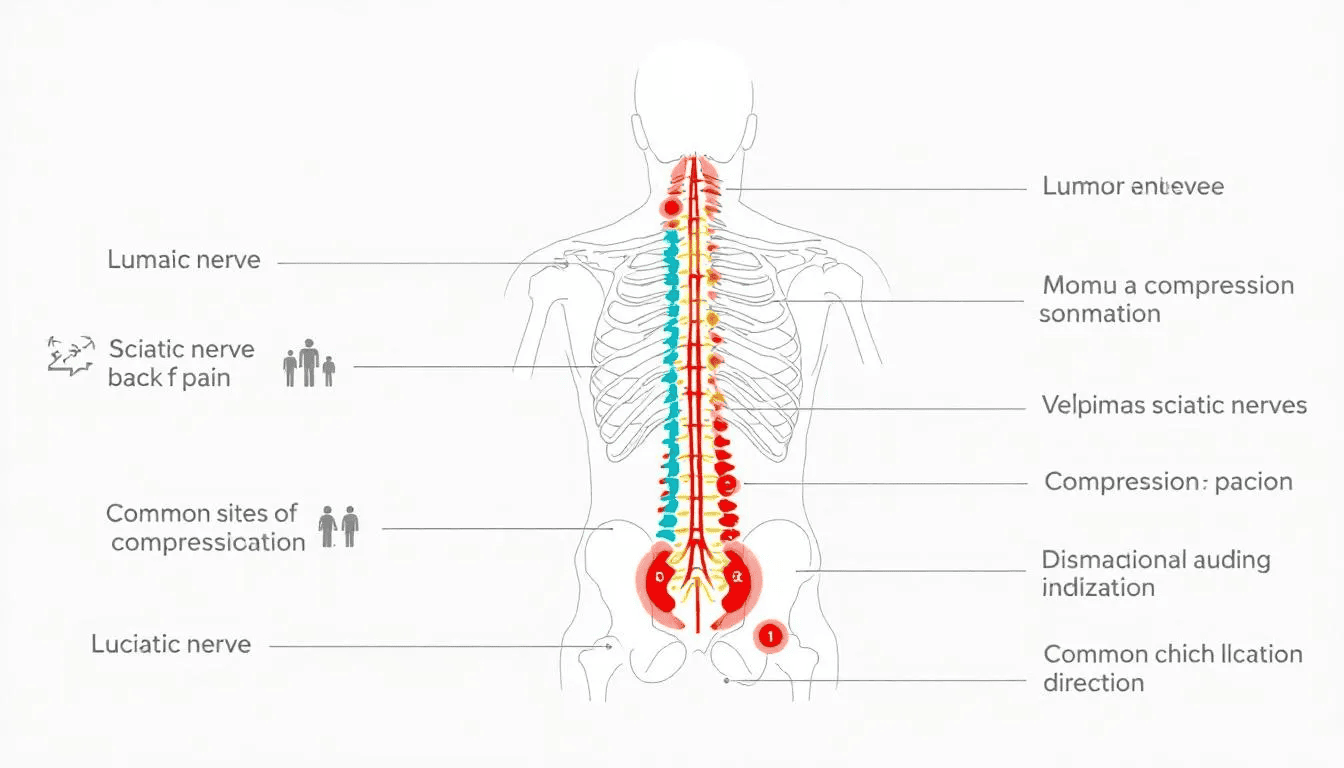
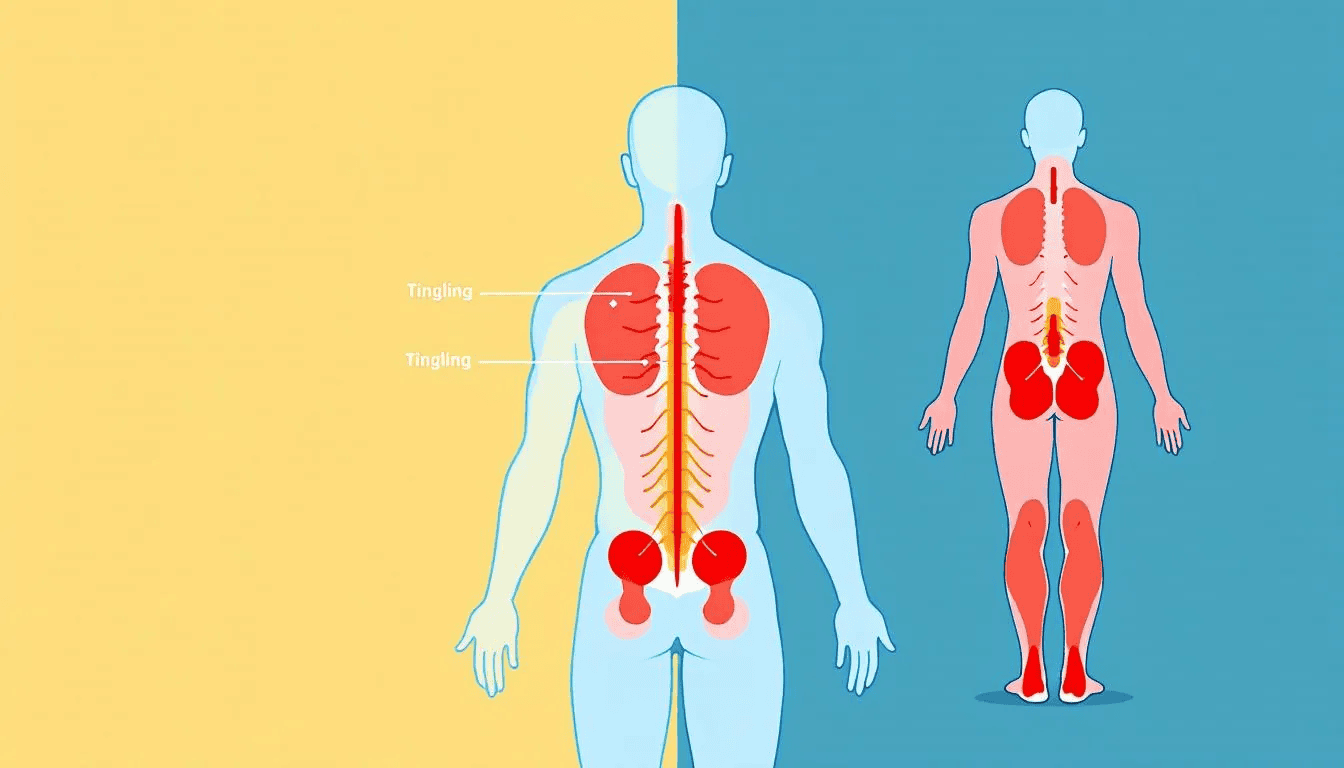
“Sciatica” isn’t a diagnosis by itself; it’s a way of describing a pattern of symptoms. It refers to pain, tingling, numbness, or weakness that radiates along the path of the sciatic nerve—typically from the lower back into the buttock, and down the back of the leg. Some people feel it mainly in the hip or thigh; others feel it all the way into the calf or foot.

Not all low back pain is sciatica. Many people have back pain that stays localized in the lumbar region without radiating down the leg. True sciatica usually involves leg symptoms, such as burning, tingling, numbness, or sharp pain that travels below the buttock. Distinguishing between these patterns is important, because it guides which treatments are likely to help.

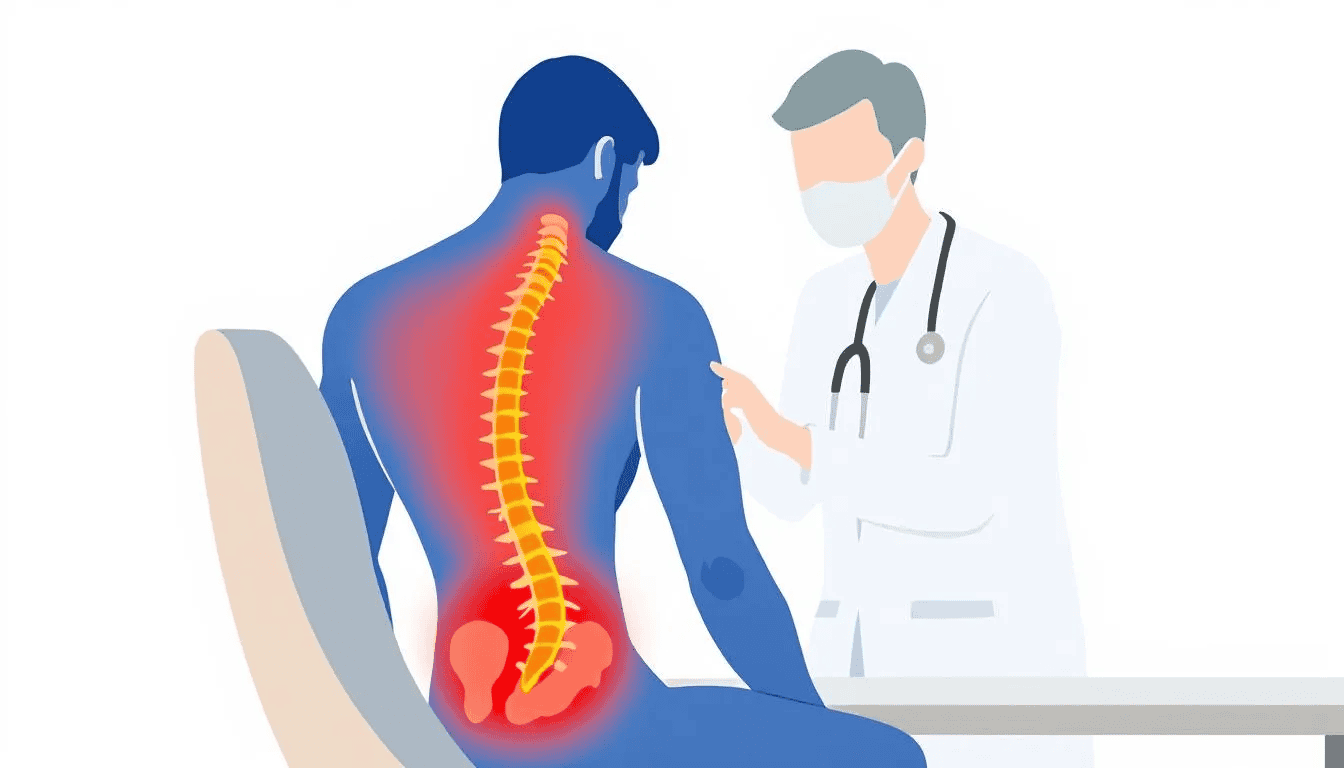
With a clear understanding of what’s causing the nerve irritation, your care team can recommend targeted, non-surgical strategies first—and reserve surgery only for situations where it’s truly needed.

What the Latest Research Says About Non-Surgical Treatment

Research following patients with disc-related sciatica has shown that a large percentage experience reduced pain and better function within weeks to a few months when treated with:

  • Activity modification (avoiding positions that aggravate symptoms)
  • Anti-inflammatory medications as appropriate
  • Structured physical therapy and exercise-based rehabilitation

For many, the body gradually reabsorbs part of the disc material or adapts to the change, and the nerve becomes less irritated.

Surgery vs non-Surgery Treatment: What Studies Suggest

Comparative studies looking at surgery vs. non-surgical care often find:

  • Surgery may provide faster pain relief in some patients with significant disc herniations.
  • Over the long-term, many patients who pursue non-surgical treatment have similar functional outcomes to those who had surgery—especially when they are closely followed and guided through appropriate conservative care.

This doesn’t mean surgery has no role; it means that, for many people, a thoughtful, non-surgical strategy can be just as effective when given time and proper support.

Stepwise, Research-Supported Approach

Overall, current research increasingly supports a stepwise approach to sciatica:

  1. Start with non-invasive, evidence-based treatments (medications, physical therapy, injections, lifestyle modification).
  2. Reassess progress regularly and adjust the plan as needed.
  3. Consider surgery primarily when conservative care has been given an appropriate trial—or when urgent red-flag symptoms make early surgery the safest option.

Foundational Non-Surgical Treatments for Sciatica

Activity Modification and Guided Rest 

When sciatic pain flares, the instinct is often to lie down and avoid movement altogether. While short periods of rest can be helpful, prolonged bedrest usually makes things worse. Muscles weaken, joints stiffen, and the spine becomes less stable, which can actually increase pain over time.

Instead, we focus on guided activity:

  • Staying gently active within your pain tolerance
  • Taking short walks, changing positions frequently, and avoiding long periods of sitting or standing in one posture
  • Making short-term adjustments to how you sit, lift, and bend to reduce pressure on the sciatic nerve
Anti-Inflammatory and Pain-Relieving Medications

Medications can play a helpful role in managing symptoms, especially in the early stages of a flare.

  • NSAIDs (nonsteroidal anti-inflammatory drugs) can reduce inflammation around the irritated nerve root and surrounding tissues, which often eases pain.
  • Short courses of other non-opioid pain relievers may be used as needed to take the edge off and allow you to move, sleep, and participate in therapy more comfortably.

Physical Therapy and Targeted Exercise

Physical therapy is one of the most research-supported tools for treating sciatica without surgery.

A skilled therapist will typically focus on:

  • Core and hip strengthening to support and stabilize the spine
  • Stretching programs that relieve tension on the sciatic nerve, especially in tight hip, hamstring, or lower back muscles
  • Posture and body mechanics education, teaching you how to sit, stand, lift, and move in ways that protect your back and decrease nerve irritation

Interventional Treatments That Help Avoid Surgery

Epidural Steroid Injections

Epidural steroid injections are one of the most common interventional treatments for sciatica.

Using image guidance (such as fluoroscopy), a pain specialist delivers anti-inflammatory medication into the epidural space near the irritated nerve root. This precise placement helps:

  • Decrease inflammation and swelling around the nerve
  • Provide short- to medium-term relief, often lasting weeks to months
  • Improve function so you can participate more fully in physical therapy and daily activities

Nerve Root or Facet Injections

Sometimes, the exact source of pain is less clear. In these cases, nerve root blocks or facet joint injections can be both diagnostic and therapeutic.

  • If a specific joint or nerve is contributing to sciatica, injecting medication into that precise area can confirm the diagnosis and reduce pain at the same time.
  • This targeted approach helps tailor the treatment plan more accurately, ensuring that future therapies focus on the right structures.

Radiofrequency Ablation (In Select Cases)

In some patients, facet-related back pain compounds sciatic symptoms. When these small joints in the spine are chronically inflamed, they can increase overall discomfort and make nerve irritation harder to control.

Radiofrequency ablation (RFA) uses heat to gently interrupt pain signals from these joints. In carefully chosen patients, RFA can:

  • Provide longer-lasting relief than a single injection
  • Reduce overall pain levels so that sciatica symptoms are easier to manage with exercise and other conservative measures

Advanced, Minimally Invasive Options That Support Nerve Recovery

Regenerative Medicine

Regenerative therapies aim to help the body repair and stabilize supportive structures around the spine.

Options may include:

  • Platelet-rich plasma (PRP) or other biologic treatments injected into ligaments, joints, or other supportive tissues
  • Strategies designed to improve spine stability, reduce chronic inflammation, and enhance the environment around the irritated nerve

While not a direct “nerve injection,” these treatments may support the overall health of the spine and surrounding tissues, which can indirectly ease pressure and irritation on the sciatic nerve.

Hyperbaric Oxygen Therapy (HBOT)

Hyperbaric Oxygen Therapy involves breathing concentrated oxygen in a pressurized chamber. This process increases the amount of oxygen dissolved in the bloodstream, allowing more oxygen to reach tissues that are irritated or healing slowly.

For select sciatica patients, HBOT may:

  • Support healing in inflamed or compressed nerve tissues
  • Help reduce inflammation and oxidative stress
  • Complement other treatments, especially in chronic or complex cases

Spinal Cord Stimulation (For Chronic, Refractory Sciatica)

In a small percentage of patients, sciatic pain remains intense and disabling despite conservative care, interventional treatments, or even prior surgery. For these individuals, spinal cord stimulation (SCS) may be considered.

SCS uses a small implanted device to:

  • Neuromodulate (adjust) pain signalling in the spinal cord
  • Reduce the intensity of pain messages before they reach the brain
  • Lower reliance on medications, particularly opioids, in chronic cases

Take the Pressure Off Your Nerve—And Your Mind

Sciatica can feel frightening. The sharp leg pain, numbness, and burning sensations can make every step, every car ride, and every night’s sleep feel like a challenge. But as overwhelming as it is, sciatica does not automatically mean you need surgery. For many people, the combination of a clear diagnosis and a thoughtful, conservative treatment plan is enough to reduce pain, restore movement, and get life back on track.

https://www.mediciortho.com/post/can-sciatica-be-treated-without-surgery-heres-what-the-latest-research-says 

Thursday, 25 June 2026

That Pain Shooting Down Your Leg Isn't Normal: The Hidden Signs of Sciatica

From timesnownews.com

By Ashima Sharda Mahindra

Pain radiating from the lower back down the leg may indicate sciatica, requiring early diagnosis and treatment to prevent complications

A lot of people experience lower back pain at some point in their lives. After lifting something heavy, sitting for hours at a desk, or completing an intense workout, it is easy to dismiss back pain as a pulled muscle. However, if the pain starts radiating from the lower back into the buttock, thigh, calf, or foot, it may be a warning sign of sciatica - a condition that requires medical attention.

Hidden Signs of Sciatica: When Leg Pain Signals Nerve Damage


Breaking It Down

What lifestyle factors can increase the risk of a slipped disc?


Several lifestyle factors can increase the risk of a slipped disc, including poor posture, prolonged sitting without movement, heavy lifting with incorrect technique, and age-related wear and tear of spinal discs. Additionally, engaging in sudden jerky movements can also contribute to the risk. Maintaining good posture and taking regular breaks can help mitigate these risks. 

How can you differentiate between sciatica and a slipped disc?

Sciatica is characterized by pain radiating along the sciatic nerve, while a slipped disc may cause localized pain in the back along with potential radiating pain, numbness, or weakness in the arms or legs. If the pain is severe and associated with muscle weakness or changes in reflexes, it may indicate a slipped disc rather than just sciatica.

What are common symptoms of peripheral artery disease (PAD)?

Common symptoms of peripheral artery disease (PAD) include persistent leg pain, especially during activities like walking, coldness in one leg, numbness, weakness, and noticeable changes in skin colour. Individuals may also experience cramps and heaviness in the legs during movement, which indicates reduced blood flow and requires medical attention.

What is sciatica?

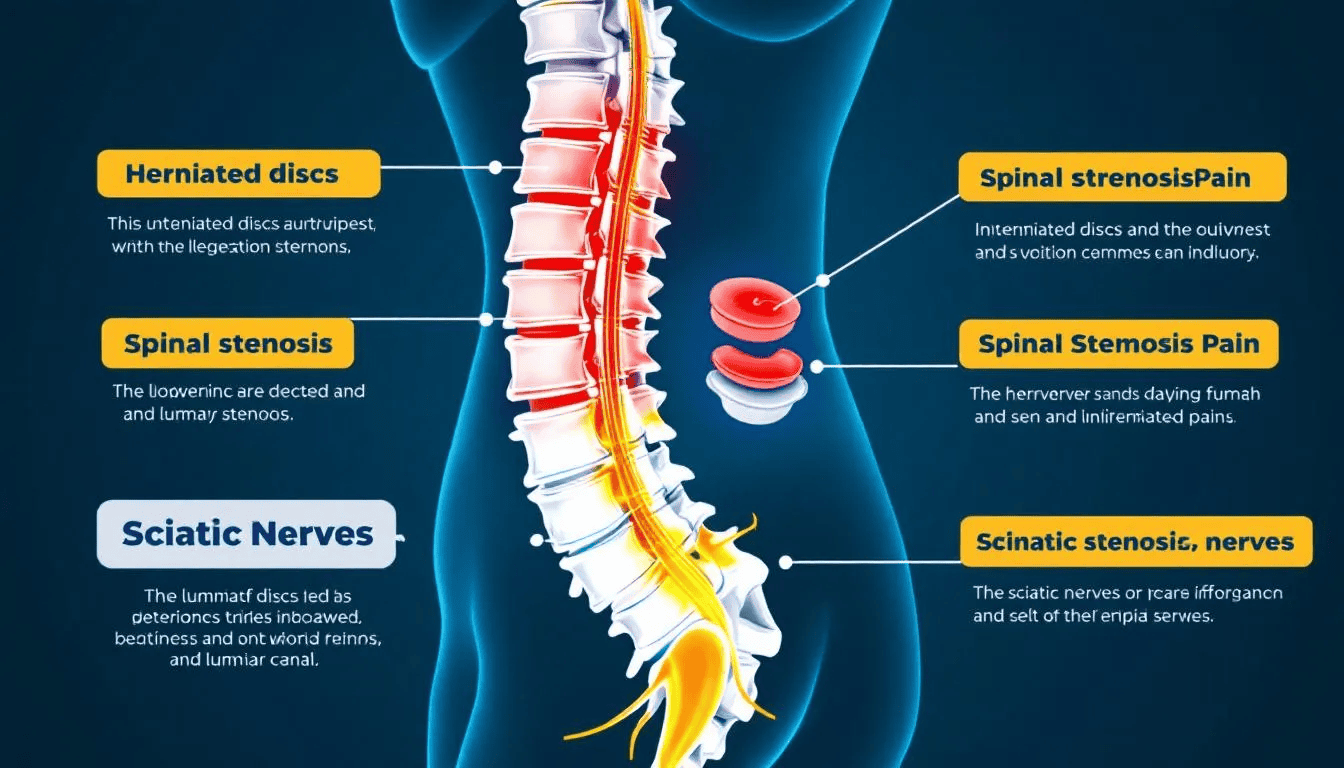
The sciatic nerve runs from the lower spine through the hips and buttocks and down each leg. When this nerve becomes compressed or irritated, it can cause pain that travels along its pathway. The most common causes of sciatica include:

  • Herniated or slipped lumbar disc
  • Spinal stenosis (narrowing of the spinal canal)
  • Degenerative spine disease
  • Bone spurs
  • Nerve root compression
According to studies, sciatica affects millions of people worldwide. Data estimates that between 10 and 40 per cent of people experience sciatica at some point in their lives, with the condition most commonly affecting adults in their 40s and 50s.

Why are men at a higher risk?

Men are particularly vulnerable to sciatica because of occupational and lifestyle factors. Jobs involving heavy lifting, repetitive bending and twisting, long-distance driving, and even prolonged sitting can place excessive stress on the spine and increase the likelihood of nerve compression.

Other risk factors include obesity, smoking, lack of exercise, weak core muscles, and poor posture. Excess body weight places additional pressure on the spine, accelerating wear and tear and increasing the risk of nerve irritation. “Obesity is another important risk factor for sciatica that has been studied recently,” said Dr. Puranik.

Men are particularly vulnerable to sciatica because of occupational and lifestyle factors


Hidden signs of sciatica

Unlike ordinary back pain, sciatica often produces distinctive symptoms. A few common warning signs include:

  • Sharp, shooting pain running down one leg
  • Burning sensation from the lower back to the foot
  • Tingling or "pins and needles"
  • Numbness in the leg or foot
  • Muscle weakness
  • Difficulty standing, walking, or climbing stairs
Symptoms typically affect only one side of the body and may worsen after prolonged sitting, coughing, sneezing, or sudden movements.

Can sciatica be treated?

The good news is that most cases of sciatica improve without surgery. Conservative treatment options include physiotherapy, stretching and strengthening exercises, anti-inflammatory medications, posture correction, activity modification, and weight management.

Strengthening core muscles and maintaining flexibility can significantly reduce the risk of future flare-ups. "Surgery may be essential in selected situations with severe or persistent nerve compression,” Dr. Puranik added.

Warning signs that require immediate medical attention

While most cases improve with treatment, some symptoms should never be ignored. Seek urgent medical care if you experience:

  • Progressive leg weakness
  • Loss of bladder or bowel control
  • Severe numbness in the leg or foot
  • Intense pain that does not improve with treatment
These symptoms may indicate significant nerve compression that requires immediate evaluation and, in some cases, surgery. Preventing sciatica starts with maintaining spinal health. Experts recommend regular physical activity, avoiding prolonged sitting, lifting heavy objects correctly, maintaining a healthy weight, and strengthening core muscles.

Tuesday, 16 June 2026

9 effective exercises for sciatica relief

From msn.com/en-us

A range of gentle stretches, strengthening movements, and low-impact activities can help reduce sciatic nerve irritation and support spinal health. The exercises include targeted stretches for the hamstrings, hips, and lower back, as well as core and glute strengthening to improve stability. Low-impact options like walking, swimming, and restorative yoga poses also promote circulation, flexibility, and overall comfort.

Sciatic Nerve Glide Mobilizes the Sciatic Nerve

©Photo By BSIP/UIG Via Getty Images

The sciatic nerve glide, also known as nerve flossing, is a controlled movement designed to mobilize the sciatic nerve rather than stretch surrounding muscles. This technique can help reduce nerve sensitivity and enhance circulation along the nerve's pathway. It should be performed gently and smoothly to avoid sharp pulling sensations. 

Seated Figure-4 Stretch Relieves Piriformis Tension

©Photo by Don Kelsen/Los Angeles Times via Getty Images

The seated figure-4 piriformis stretch helps ease tension in the piriformis muscle, which can compress the sciatic nerve and cause pain. By crossing one ankle over the opposite thigh and leaning forward with a straight spine, this stretch reduces muscle tightness and may alleviate nerve irritation. It is often recommended as part of a routine to address sciatica-related discomfort.

Glute Bridge Strengthens Glutes and Supports Spinal Health

©Photo By Cyrus McCrimmon/The Denver Post via Getty Images


The glute bridge is a hip extension exercise that targets the gluteal muscles and the posterior chain. By lifting the hips to form a straight line from the knees to the shoulders, it helps stabilize the spine and reduce pressure on the lumbar region. This strengthening effect can support the sciatic nerve and improve overall lower back health.

Bird-Dog Exercise for Core and Spinal Stability

Photo By Ryan McFadden/MediaNews Group/Reading Eagle via Getty Images

The bird-dog exercise is performed from a hands-and-knees tabletop position, extending one arm forward and the opposite leg backward while keeping the core engaged. This movement strengthens the muscles of the core, hips, and back, helping to support spinal alignment. By improving stability, it can reduce strain on the lower back and alleviate pressure on the sciatic nerve.

Pelvic Tilts Strengthen Core and Support Spinal Alignment

©Photo by: QAI Publishing/Universal Images Group via Getty Images

Pelvic tilts are a low-impact exercise that target the abdominal and lower back muscles, enhancing core stability. By engaging these muscles and gently tilting the pelvis, the movement helps flatten the lower back against the floor, promoting proper spinal alignment. Regular practice can reduce pressure on the lower back and ease discomfort associated with sciatic nerve pain.

Child’s Pose for Spinal and Hip Flexibility
©Photo by Chen Xiaomei/South China Morning Post via Getty Images

Child’s Pose, or Balasana, is a gentle yoga posture that lengthens the spine and opens the hips and thighs. By decompressing the vertebrae, it can help relieve lower back tension and reduce pressure on the sciatic nerve. This restorative position also encourages relaxation and deeper breathing, which may ease discomfort associated with sciatica.

Walking Supports Sciatica Relief

                                                              ©Photo by Richard Baker / In Pictures via Getty Images

Walking is a low-impact exercise that can promote blood circulation, strengthen muscles supporting the spine, and help reduce inflammation. For individuals with sciatica, short and controlled walks can improve mobility and alleviate discomfort when performed with proper posture and pacing. Gradually increasing duration while avoiding overexertion can enhance benefits and prevent symptom flare-ups.

Swimming Reduces Spinal Stress and Supports Sciatica Relief

                                                 ©Photo by Michael P. Farrell/Albany Times Union via Getty Images

Swimming is a low-impact exercise that uses the buoyancy of water to reduce stress on the spine and joints. It can help strengthen back muscles, improve flexibility, and relieve pressure on the sciatic nerve. Gentle, controlled strokes such as the side stroke or backstroke are recommended to maintain spinal alignment and avoid strain.

Legs Up the Wall Enhances Circulation and Flexibility

                                            ©Photo by: TREMELET/BSIP/Universal Images Group via Getty Images

Legs Up the Wall is a gentle, restorative yoga pose that stretches the hamstrings, glutes, hips, and lower back. According to the Cleveland Clinic, it also promotes healthy blood flow, which can help reduce stiffness and swelling in the lower legs. This position may provide relief for those experiencing discomfort from sciatica or prolonged sitting or standing.

Thursday, 11 June 2026

Why Sciatica Is Becoming a Global Health Wake-Up Call

From vocal.media

The hidden pain affecting millions and fuelling major changes in healthcare

The pain often starts quietly.

A slight ache in the lower back. A tingling sensation that travels down the leg. A moment of discomfort while sitting at a desk or standing after a long drive.

At first, many people ignore it.

Then comes the realization.

The pain isn't going away.

Walking becomes difficult. Sleep becomes interrupted. Daily activities become challenges. What began as a minor annoyance gradually transforms into something capable of affecting every aspect of life.

For millions of people worldwide, this experience has a name: sciatica.

It is one of the most common nerve-related conditions affecting adults, yet its impact extends far beyond physical discomfort. Sciatica influences productivity, mental well-being, healthcare spending, workplace efficiency, and quality of life.

As populations age, sedentary lifestyles increase, and musculoskeletal disorders become more prevalent, the condition is receiving growing attention from healthcare providers and researchers alike. This growing focus is reflected in the expanding **Sciatica Market**, which continues to evolve as demand for diagnosis, treatment, and long-term pain management solutions rises globally.

The story of sciatica is not simply about back pain.

It is about how modern lifestyles are reshaping health in ways many people never expected.

---

### Why Sciatica Has Become So Common

The sciatic nerve is the largest nerve in the human body.

Running from the lower spine through the hips and down each leg, it plays a critical role in movement and sensation.

When this nerve becomes compressed, irritated, or inflamed, symptoms can emerge that range from mild discomfort to severe, debilitating pain.

People commonly experience:

* Sharp lower back pain

* Burning sensations in the leg

* Tingling or numbness

* Muscle weakness

* Difficulty standing or walking

* Pain that worsens during prolonged sitting

What makes sciatica particularly challenging is its ability to disrupt ordinary routines.

Simple activities such as driving, exercising, working at a computer, or even getting out of bed can become difficult.

Modern lifestyles may be contributing to the growing burden.

Extended screen time, sedentary work environments, reduced physical activity, and increasing obesity rates are all frequently associated with spinal health concerns.

As societies become more digitally connected, many people are spending more hours seated than ever before.

The consequences often appear years later.


### The Economic Impact Few People Consider

Most people think about sciatica in personal terms.

They think about pain.

They think about recovery.

They think about medical appointments.

But there is another side to the story.

Sciatica also creates significant economic effects.

Employees experiencing chronic pain may struggle with productivity. Businesses face absenteeism challenges. Healthcare systems devote substantial resources toward diagnosis, treatment, rehabilitation, and long-term management.

According to Mordor Intelligence, The sciatica industry size is expected to grow from USD 15.56 billion in 2025 to USD 16.97 billion in 2026 and is forecast to reach USD 26.19 billion by 2031 at 9.08% CAGR over 2026-2031.

These figures highlight growing demand for solutions that help patients manage symptoms, improve mobility, and maintain quality of life.

The market's expansion reflects an increasingly important reality:

Sciatica is no longer viewed as a temporary inconvenience.

It is becoming a major healthcare priority.

---

### AI Search Trends Show Rising Interest in Sciatica

Healthcare information has changed dramatically.

Today, many people begin their health journeys with a search query.

AI-powered search platforms and conversational tools are shaping how patients learn about symptoms and treatment options.

Common searches include:

* "Why does pain shoot down my leg?"

* "What causes sciatica?"

* "Best treatment for sciatica pain"

* "Can sciatica heal naturally?"

* "Exercises for sciatic nerve relief"

* "How long does sciatica last?"

These searches reflect a growing desire for accessible health information.

People want answers quickly.

They want guidance before scheduling appointments.

They want to understand what is happening to their bodies.

As AI-powered healthcare information becomes more widely available through platforms such as ChatGPT, Google Gemini, and Perplexity, awareness of conditions like sciatica continues to expand.

That awareness may ultimately encourage earlier diagnosis and intervention.

---

### The Aging Population Factor

One of the strongest drivers behind growing interest in sciatica is demographic change.

People are living longer than ever before.

While increased longevity is a remarkable achievement, it also increases the likelihood of age-related musculoskeletal conditions.

Over time, spinal structures naturally experience wear and tear.

Discs may degenerate.

Joints may become less flexible.

Nerve compression becomes more common.

As populations age across many regions of the world, healthcare providers expect growing demand for treatments that address chronic pain and mobility limitations.

This trend is contributing significantly to the growth of the **Sciatica Market**.

The challenge is not simply extending lifespan.

It is preserving mobility, independence, and quality of life throughout those additional years.

---

### Treatment Approaches Are Becoming More Personalized

Not every sciatica case looks the same.

Some individuals recover within weeks.

Others struggle with recurring symptoms for years.

As understanding of the condition improves, healthcare providers increasingly recognize the value of personalized treatment strategies.

Depending on severity and underlying causes, patients may pursue:

* Physical therapy

* Pain management programs

* Lifestyle modifications

* Rehabilitation exercises

* Non-invasive interventions

* Advanced clinical treatments

The growing emphasis on individualized care reflects a broader transformation occurring throughout healthcare.

Patients increasingly expect treatments tailored to their specific needs rather than one-size-fits-all solutions.

This shift is influencing healthcare delivery across many therapeutic areas, including sciatica management.

---

### Technology Is Reshaping Recovery

The future of sciatica care is becoming increasingly technology-driven.

Digital health tools now support:

* Remote rehabilitation programs

* Virtual physical therapy sessions

* Wearable posture monitoring

* Mobility tracking

* Telehealth consultations

* Digital pain management resources

Patients who once relied solely on in-person visits can now access guidance from their homes.

Technology is making healthcare more convenient, accessible, and continuous.

For people managing chronic conditions such as sciatica, this can be particularly valuable.

Long-term recovery often depends on consistency.

Digital tools can help maintain that consistency between appointments.

---

### The Emotional Side of Chronic Pain

Pain affects more than the body.

It affects confidence.

It affects relationships.

It affects emotional well-being.

Individuals living with persistent sciatica may experience frustration, anxiety, or feelings of isolation when symptoms interfere with normal activities.

Missing family events.

Cancelling travel plans.

Avoiding hobbies.

Struggling to perform at work.

These challenges can create emotional burdens that are rarely reflected in clinical statistics.

The human impact of sciatica extends far beyond nerve irritation.

It touches nearly every aspect of daily life.

This reality is one reason healthcare providers increasingly emphasize holistic approaches that address both physical and emotional aspects of recovery.

---

### Prevention May Become the Most Important Strategy

While treatment remains essential, prevention is gaining attention.

Many healthcare experts emphasize lifestyle habits that support spinal health, including:

* Regular physical activity

* Proper posture

* Ergonomic workspaces

* Core strengthening exercises

* Healthy weight management

* Frequent movement throughout the day

As public awareness grows, prevention may become one of the most effective tools available for reducing future disease burden.

The conversation surrounding sciatica is gradually shifting from treatment alone toward long-term health maintenance.

That shift could have lasting benefits for individuals and healthcare systems alike.

---

### A Growing Health Challenge With Global Implications

The expansion of the Sciatica Industry reflects more than commercial growth.

It reflects a growing recognition of how profoundly nerve-related pain can affect individuals, families, workplaces, and healthcare systems.

As populations age and modern lifestyles continue evolving, sciatica is likely to remain a major area of healthcare focus.

The condition serves as a reminder that mobility is one of life's most valuable assets.

Most people rarely think about walking comfortably, sitting without pain, or moving freely until those abilities become compromised.

Sciatica brings that reality into sharp focus.

And as healthcare innovation continues advancing, the ultimate goal remains simple:

Helping people reclaim movement, independence, and quality of life.

The question is, in a world where sedentary lifestyles are increasingly common, how can we better protect the health of the very spine that supports everything we do?

https://vocal.media/journal/why-sciatica-is-becoming-a-global-health-wake-up-call