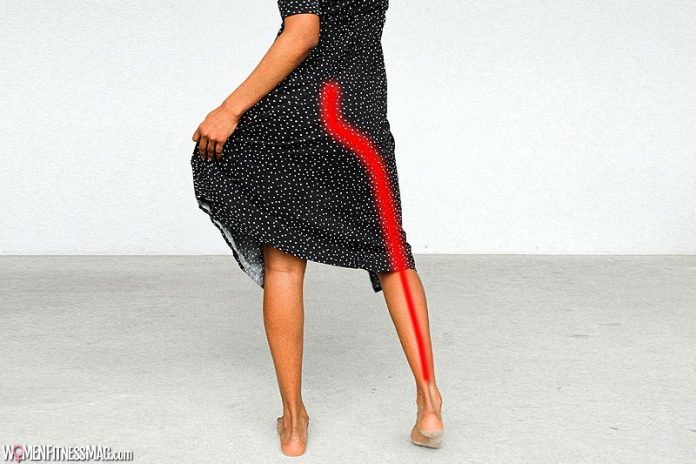
What Treatments Are Available For Sciatica? Sciatica is a painful and potentially debilitating condition. It occurs when pressure is placed on the sciatic nerve as a result of injury, disease, or congenital defect. In most cases, it is caused by a herniated disc placing pressure on the nerve.
The symptoms of sciatica include pain that radiates from the lower back to legs, numbness, tingling, and muscle weakness. The type of pain experienced by sciatica sufferers can vary significantly, ranging from a dull aching pain through to sharp, electricity-like jolts of pain.
The symptoms of sciatica can also become worse over time, which is why it is important to seek out treatment as soon as possible. To help you understand what options are available, this guide will share the most commonly used sciatica treatments.
Nonsurgical Treatments For Sciatica
In most cases, nonsurgical treatments will be used before any surgical options are considered. However, if a physician is worried about nerve damage or if there are additional complications, surgery may be used immediately.
Physicians usually recommend a combination of non-surgical treatments initially, including medications, physical therapy and complementary therapies.
Ideally, nonsurgical treatment options will resolve acute sciatica within a month. However, it can take longer to resolve chronic sciatica. The most frequently used nonsurgical treatments include:
Physical therapy
Physical therapy involves a variety of physical movements and exercises. It useful for treating sciatica as it strengthens the lower back, stretches tight muscles, increases core strength, promotes healing, and relieves inflammation.
Most physical therapy programs for sciatica include a combination of stretching, aerobic conditioning exercises, and resistance exercises. Some physical therapy practitioners may also use ultrasound, electrical stimulation, hot/cold therapy, and light therapy to promote healing.
Chiropractic therapy
Chiropractors can perform manual adjustments which improve the alignment of the spine. This can help to address any underlying conditions which may be causing sciatica like a ruptured spinal disc or spinal stenosis. There is also some evidence to suggest that chiropractic care can alleviate the symptoms of sciatica and improve recovery time.
Medication
There are several over-the-counter (OTC) and prescription medications which can relieve the pain associated with sciatica. They include:
- Nonsteroidal anti-inflammatory drugs (NSAIDS)
- Anticonvulsant medications to reduce the frequency of muscle spasms
- Tricyclic antidepressants to reduce nerve pain
- Oral steroids to reduce pain and inflammation
- Opioid analgesics
Steroid Injections
Physicians sometimes use an injection of corticosteroid medication in an area near the sciatic nerve root. This will reduce inflammation in the area, alleviating pressure on the sciatic nerve. Steroid injections are used with caution as there are several potential side effects.
Massage therapy
Massage therapy is an affordable, effective, and risk-free treatment option for sciatica. It relieves sciatica symptoms by:
- Promoting blood flow to the injured region of the back, which boosts the body’s healing capacity and relieves inflammation
- Prompting the body to release endorphins, which are natural chemicals with an analgesic capacity
- Relaxing tight back muscles
Selective nerve root block
This treatment involves an injection of medication where the spinal nerve exits the intervertebral foramen. This medication reduces inflammation in the area and limits the amount of pain transmitted by the sciatic nerve to the brain. Several injections may be required to reduce sciatica pain.
Epidural steroid injection
An epidural steroid injection can be used to reduce inflammation near the sciatic nerve that has been caused by a herniated or degenerated intervertebral disc. It also reduces immune system activity in the area, which limits inflammation even more.
Surgical Treatments For Sciatica
If nonsurgical treatments do not work, your physician may recommend surgery. There are several surgeries which can help patients with sciatica, including:
Lumbar decompression surgeries
These surgeries are designed to treat compressed nerves in the lumbar spine. They include:
- Foraminotomy
Bony overgrowth around the neuroforamen is removed to make more room for the nerve root as it leaves the spinal column. - Laminectomy
The surgeon removes a section of the lamina to make more room for spinal nerves. The lamina is the back part of the vertebra, which covers the spinal canal. - Facetectomy
Degenerated facet joints are trimmed to relieve pressure on the sciatic nerve. - Spinal fusion
Spinal fusion surgery involves the complete removal of herniated discs, to eliminate any pressure they are placing on nearby spinal nerves. The vertebra that surround the removed discs are then fused together. - Interspinous distraction
This is a relatively new surgery which can be used to help patients with sciatica caused by spinal stenosis. The surgeon will make a small incision above the spine and place metal spacers in between the vertebra so they cannot press on the underlying nerve.
Microdiscectomy
A microdiscectomy is a useful surgery for cases of sciatica caused by lumbar disc herniation. The procedure involves the removal of the portion of a herniated disc that is pressing on the sciatic nerve. The surgeon may also remove some bone to give the sciatic nerve additional room.
According to Dr. Tony Mork, “This is a minimally invasive procedure that involves a small incision. It’s a highly successful procedure, with up to 86% of patients experiencing pain relief after their microdiscectomy.”
Conclusion
As you can see, there are many treatment options available for sciatica. If you believe you sciatica and require some assistance, talk to your physician. They will be able to diagnose the severity of your sciatica and recommend an appropriate treatment plan.
https://www.womenfitnessmag.com/what-treatments-are-available-for-sciatica/